
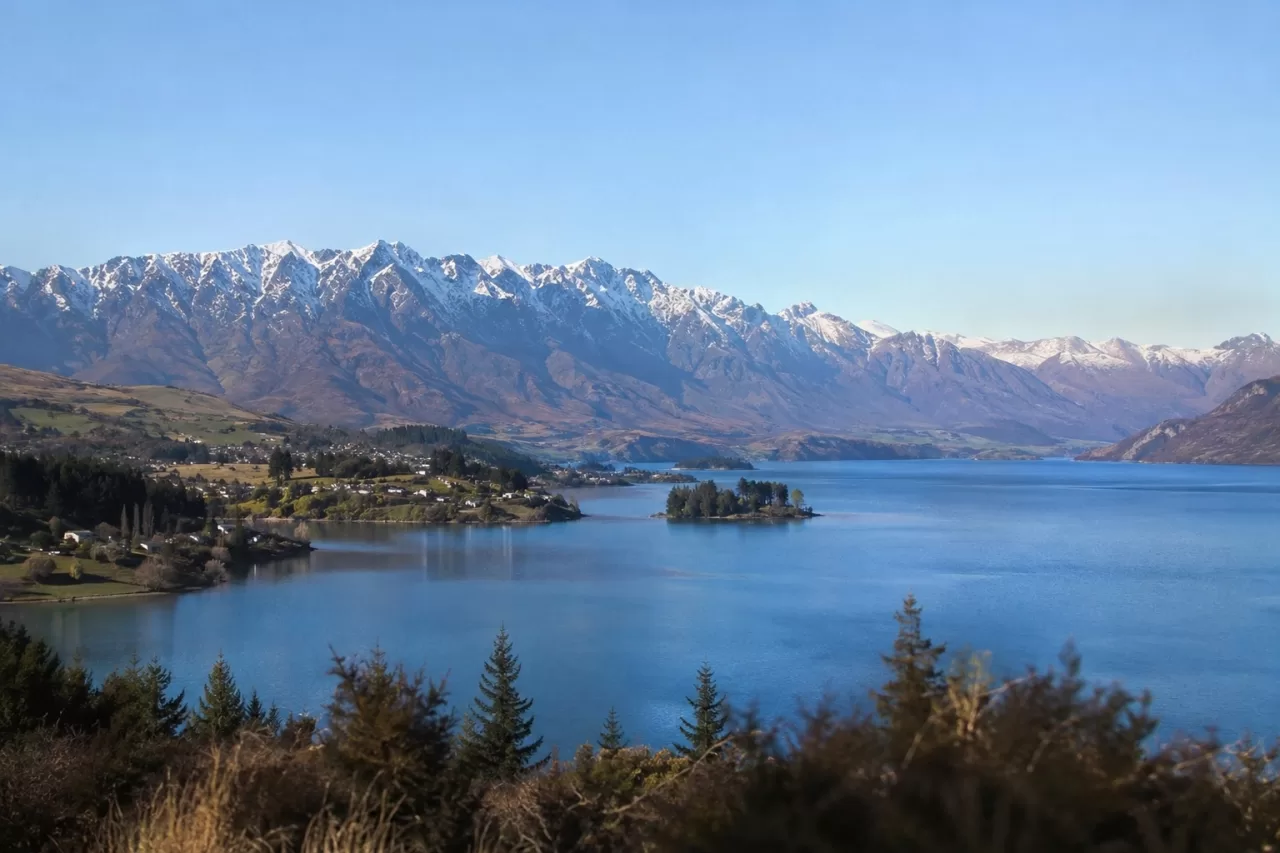
New Zealand rewards planning more than most destinations, mostly because of geography — the North and South Islands each take a full trip's worth of time on their own, distances between highlights are longer than they look on a map, and a lot of the country's best experiences (Great Walks, certain ferry crossings, popular campervan routes) require booking well in advance during peak season. Trying to improvise a New Zealand trip on the ground usually means missing things that needed to be arranged weeks earlier.
▤ Contents⌃
- 1When to Visit
- 2North Island vs. South Island
- 3Getting Around
- 4What a Trip Actually Costs
- 5Booking Great Walks and Popular Activities Early
- 6A Sample Two-Week Itinerary
- 7Solo Travel in New Zealand
- 8Practical Things Worth Knowing Before You Go
- 9Frequently Asked Questions
- 10Planning Around New Zealand's Geography
Most visitors from visa-waiver countries (including the US, UK, Canada, and most of the EU) don't need a traditional visa, but they do need a New Zealand Electronic Travel Authority (NZeTA), which currently costs NZ$17 through the official app or NZ$23 through the website. On top of this, nearly all visitors also pay the International Visitor Conservation and Tourism Levy (IVL), currently set at NZ$100 per person. Combined, this comes to roughly NZ$117-123 total, and the NZeTA itself is valid for two years with multiple entries, though most visa-waiver visitors are still limited to stays of up to three months per visit (six months for UK citizens).
Applications are usually processed within 72 hours, but applying at least a few days before departure — rather than at the airport — is worth doing, since processing can occasionally take longer. Citizens of countries not on the visa waiver list need to apply for a full visitor visa well in advance instead. A broader walkthrough of how visa research fits into overall trip planning is in how to get travel visas without the hassle.
When to Visit
New Zealand sits in the Southern Hemisphere, so its seasons run opposite to the Northern Hemisphere — summer falls in December through February, and winter runs June through August.
| Season | Months | What to Expect |
|---|---|---|
| Summer | December-February | Warmest weather, busiest season, highest prices, Great Walks fully open |
| Autumn | March-May | Mild weather, smaller crowds, good hiking conditions |
| Winter | June-August | Ski season in the South Island, quieter elsewhere, some alpine roads may close |
| Spring | September-November | Increasingly good weather, fewer crowds than summer, some hiking trails still snow-affected early on |
Shoulder season (autumn or spring) tends to offer the best balance of good weather, lower prices, and thinner crowds, while summer remains the most reliable choice if the plan includes multi-day hikes or beach time on the coast.
North Island vs. South Island
Trying to cover both islands properly in under two weeks usually means rushing through one of them. Each island has a distinct character worth planning around rather than treating as a single combined trip.
The North Island includes Auckland (the main international gateway), Rotorua's geothermal areas, the Hobbiton movie set, and Wellington, the capital, known for its arts scene and as the departure point for the inter-island ferry.
The South Island is where most of the classic New Zealand scenery lives — Queenstown for adventure activities, Fiordland and Milford Sound, Mount Cook, Abel Tasman National Park, and the glacier region around Franz Josef and Fox. It's generally considered the more visually dramatic of the two islands, though the North Island has its own strong highlights, particularly around geothermal activity and Māori culture.
Getting Around
A rental car or campervan is close to essential for a New Zealand trip, since public transport between towns is limited and doesn't reach many of the country's best landscapes. Driving is on the left side of the road, and mountainous, winding routes mean travel times between towns are often longer than the distance alone would suggest — always check estimated drive times rather than assuming based on kilometers.
The two islands are connected by a ferry (roughly 3.5 hours) between Wellington and Picton, which needs to be booked in advance during peak season, particularly if traveling with a vehicle. A full comparison of when renting a car makes more sense than relying on public transport, which applies well to New Zealand specifically, is in public transport vs. renting a car: a budget comparison.
What a Trip Actually Costs
| Expense | Budget Range (per day) | Mid-Range (per day) |
|---|---|---|
| Accommodation | $25-45 (hostel/campervan) | $100-180 (hotel/motel) |
| Food | $25-40 | $50-80 |
| Car/campervan rental | $40-70 | $70-120 |
| Activities | $20-50 | $50-150+ |
New Zealand is not a low-cost destination by regional standards, and fuel, activities, and accommodation in peak season all add up quickly. Traveling by campervan is one of the more effective ways to control costs, since it combines transport and accommodation into a single expense.
Booking Great Walks and Popular Activities Early
New Zealand's Great Walks — multi-day hiking tracks with hut or campsite bookings required — often sell out months in advance for the summer season, particularly popular routes like the Milford, Routeburn, and Kepler tracks. Similarly, popular activities in Queenstown and Fiordland, along with glowworm caves and certain boat tours, can book out during peak periods. Booking these as soon as travel dates are confirmed, rather than waiting until arrival, avoids missing out entirely.
A Sample Two-Week Itinerary
| Days | Region | Focus |
|---|---|---|
| 1-2 | Auckland | Arrival, city, nearby islands (Waiheke) |
| 3-4 | Rotorua | Geothermal areas, Māori cultural experiences |
| 5 | Wellington | Capital city, museums, ferry departure |
| 6-7 | Abel Tasman / Nelson | Coastal scenery, hiking, kayaking |
| 8-9 | Franz Josef / Fox Glacier | Glacier hikes, West Coast scenery |
| 10-12 | Queenstown / Fiordland | Adventure activities, Milford Sound |
| 13-14 | Mount Cook / Christchurch | Alpine scenery, departure |
This route covers both islands but moves quickly — a three-week trip allows for a noticeably more relaxed pace, particularly through the South Island, where the scenery tends to warrant slower travel days rather than long driving stretches.
Solo Travel in New Zealand
New Zealand is consistently ranked among the more solo-traveler-friendly destinations globally, with reliable infrastructure, English as the primary language, and an established backpacker and hostel network, particularly in the South Island. General solo travel safety practices still apply and are covered in solo travel guide: how to travel alone safely.
Practical Things Worth Knowing Before You Go
- Weather changes quickly, especially in the mountains — packing layers matters more than trying to predict a single forecast for the whole trip.
- Distances take longer than expected due to winding, mountainous roads — always check driving time estimates rather than straight-line distance.
- Biosecurity checks at the border are strict. Hiking boots, camping gear, and food items get inspected on arrival, and undeclared items can result in fines.
- Travel insurance is worth prioritizing, particularly given the number of outdoor and adventure activities most trips include. What to look for in a policy is covered in travel insurance explained: do you really need it.
Frequently Asked Questions
How many days do you need in New Zealand?
Two weeks covers a reasonable overview of both islands without excessive rushing. Three weeks or more allows for a considerably more relaxed pace, particularly for anyone wanting to include multi-day hikes.
Is a rental car necessary, or can you get by on public transport?
A rental car or campervan is close to essential for most itineraries, since public transport doesn't reach many of the country's key landscapes and highlights outside the main cities.
What's the best time to visit for good weather without peak crowds?
Shoulder season — March to May or September to November — generally offers the best combination of decent weather, lower prices, and smaller crowds compared to the busy summer months.
Planning Around New Zealand's Geography
The single biggest factor in a good New Zealand trip is respecting how much time distances and activities actually require, rather than assuming a compact-looking map means a compact trip. Booking key hikes and ferry crossings early, allowing realistic driving time between stops, and picking a season that matches trip priorities all matter more here than in a lot of other destinations, simply because the landscape and logistics leave less room for improvising once the trip is underway.



Comments 0