

Solo female travel has grown substantially in recent years, and with it, a much clearer picture of which destinations genuinely support independent travel for women versus which ones just get marketed that way. The destinations below are consistently ranked well across recognized safety indexes (including the Global Peace Index) and, just as importantly, offer the practical infrastructure — reliable transport, walkable cities, an established solo-travel culture — that makes a destination work well day to day, not just on paper.
▤ Contents⌃
- 1Quick Comparison
- 2Iceland
- 3Japan
- 4Portugal
- 5New Zealand
- 6Canada
- 7Denmark and the Nordic Countries
- 8Costa Rica
- 9Singapore
- 10Destinations That Require More Preparation, Not Avoidance
- 11What Makes a Destination Genuinely Good for Solo Female Travel
- 12General Safety Practices That Apply Everywhere
- 13Frequently Asked Questions
- 14Choosing Based on What the Trip Actually Needs
Quick Comparison
| Destination | Standout Quality | Best For |
|---|---|---|
| Iceland | Consistently ranked the world's safest country | Nature, road trips, low crime |
| Japan | Extremely low crime, women-only train cars in major cities | First-time solo travelers, culture, efficient transit |
| Portugal | Safe, affordable, easy to navigate | Budget-friendly Europe, social solo travel |
| New Zealand | English-speaking, strong legal protections, established backpacker network | Outdoor adventure, road trips |
| Canada | High safety ranking, welcoming culture | City breaks, nature, first solo international trip for many travelers |
| Denmark | Extremely walkable and bike-friendly, top-ranked gender equality | City-based solo travel, Nordic exploration |
| Costa Rica | Established eco-tourism infrastructure, considered one of Latin America's safer options | Nature, adventure activities, moderate budget |
| Singapore | Extremely low crime, highly organized infrastructure | First-time solo travelers to Asia, short trips |
Iceland
Iceland has held the top spot on the Global Peace Index for over a decade, and it shows in day-to-day travel — violent crime is rare, street harassment is close to nonexistent, and solo travelers regularly report feeling comfortable driving or hiking alone, even in remote areas. The main planning consideration isn't safety but budget, since Iceland remains one of the more expensive destinations on this list; traveling in shoulder season (May or September) rather than peak summer helps offset this.
Japan
Japan ranks among the safest countries globally for violent crime specifically, and its transit systems are built with additional consideration for women, including women-only train cars on many lines in Tokyo and Osaka during rush hour. The combination of low crime, highly efficient public transport, and a culture that generally respects personal space and privacy makes it one of the more approachable destinations for a first solo trip to Asia. A dedicated first-time itinerary for the country is covered in best things to do in Tokyo on your first visit.
Portugal
Portugal consistently ranks as one of the safer and more affordable options in Western Europe, with Lisbon and Porto both offering walkable historic centers, a strong hostel scene, and an active solo-traveler community. It's frequently recommended as a starting point for first-time solo travelers to Europe specifically because it balances safety, affordability, and social opportunity better than some pricier Western European alternatives.
New Zealand
New Zealand combines a high safety ranking with English as the primary language and a long-established backpacker infrastructure, particularly in the South Island. It's a strong choice for travelers wanting an outdoor-adventure-focused trip without the added complexity of a language barrier. Trip planning specifics, including how to structure an itinerary around the two islands, are covered in how to plan the perfect trip to New Zealand.
Canada
Canada ranks consistently high on global safety indexes and offers a comparatively easy entry point for solo travelers from the US, UK, and other English-speaking countries, with reliable infrastructure and an established solo and group tourism scene in cities like Vancouver, Toronto, and Montreal.
Denmark and the Nordic Countries
Copenhagen is frequently cited as one of the most walkable and bike-friendly capital cities for independent travelers, and Denmark broadly ranks near the top of gender equality and safety indexes. Norway, Sweden, and Finland offer a similar profile, with Nordic countries collectively dominating most global safety rankings for women specifically.
Costa Rica
Within Latin America, Costa Rica is widely considered one of the more established and lower-risk options for solo female travelers, supported by a mature eco-tourism industry and well-trodden traveler routes. As with most Latin American destinations, sticking to well-known tourist areas and established transport options matters more here than in some of the higher-ranked destinations above.
Singapore
Singapore is one of the safest cities globally by most crime indexes, with a highly organized transit system and strict enforcement that makes it a comfortable option for a short solo trip or as an entry point into Southeast Asia before continuing to destinations that require more situational awareness.
Destinations That Require More Preparation, Not Avoidance
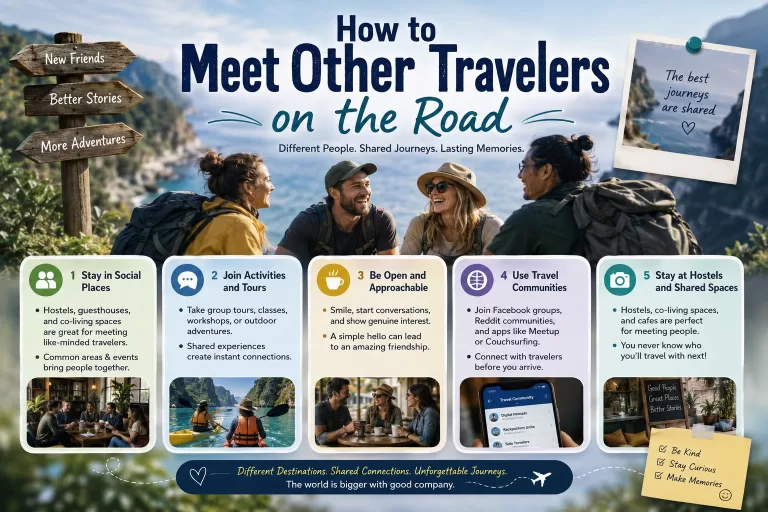
Popular solo-travel destinations like Thailand, Vietnam, and Indonesia see huge numbers of solo female travelers every year and are far from unsafe, but conditions vary more by specific city or region than in the destinations above, and a bit more preparation — researching specific neighborhoods, being more selective about nighttime transport, connecting with other travelers early — goes further here than in a place like Iceland or Japan. This doesn't rule these destinations out; it just shifts more of the safety work onto preparation rather than relying on baseline infrastructure alone.
What Makes a Destination Genuinely Good for Solo Female Travel
Beyond raw crime statistics, a few practical factors consistently separate destinations that work well for solo women from those that just have a reputation for it:
- Reliable, well-lit public transport, especially options that run late enough to avoid relying on taxis at night
- An established solo or female-specific travel community, which affects both safety and the ease of meeting other travelers
- Cultural norms around personal space and unwanted attention, which vary significantly by destination regardless of crime statistics
- Clear, accessible emergency services and a general sense that local systems respond effectively if something does go wrong
General Safety Practices That Apply Everywhere
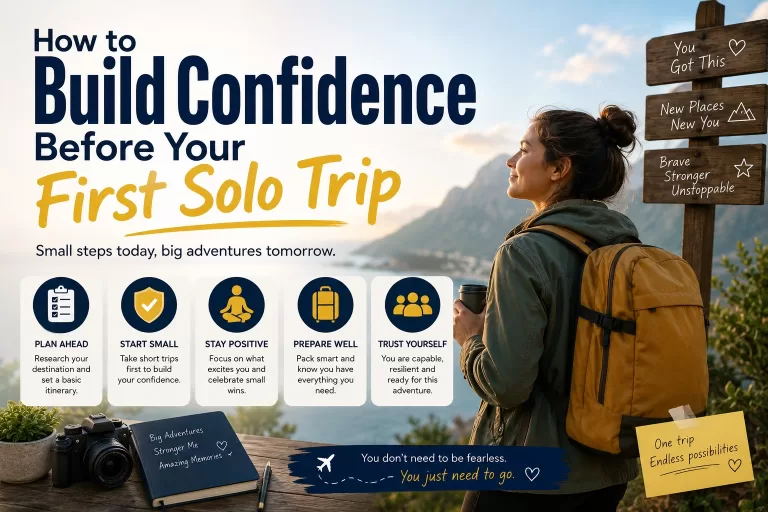
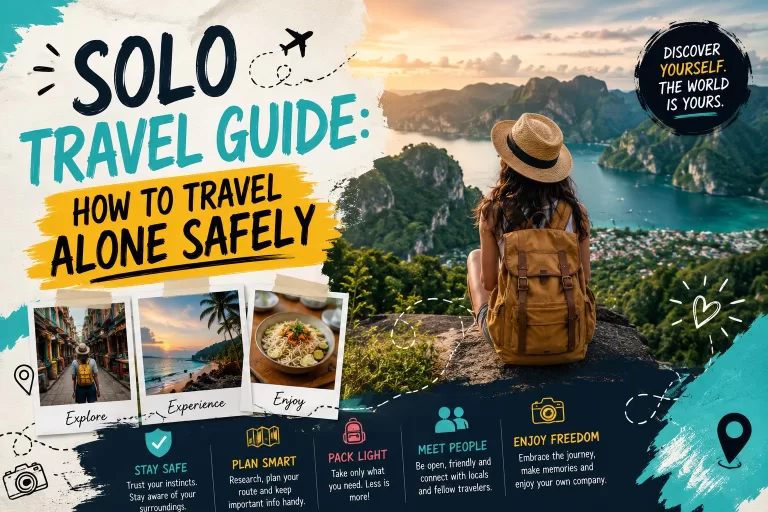
Even in the safest-ranked destinations, standard solo travel precautions still matter — sharing an itinerary with someone at home, choosing accommodation carefully, and staying aware at night. A full breakdown of these fundamentals is in solo travel guide: how to travel alone safely, and nighttime-specific precautions are covered in how to stay safe as a solo traveler at night.
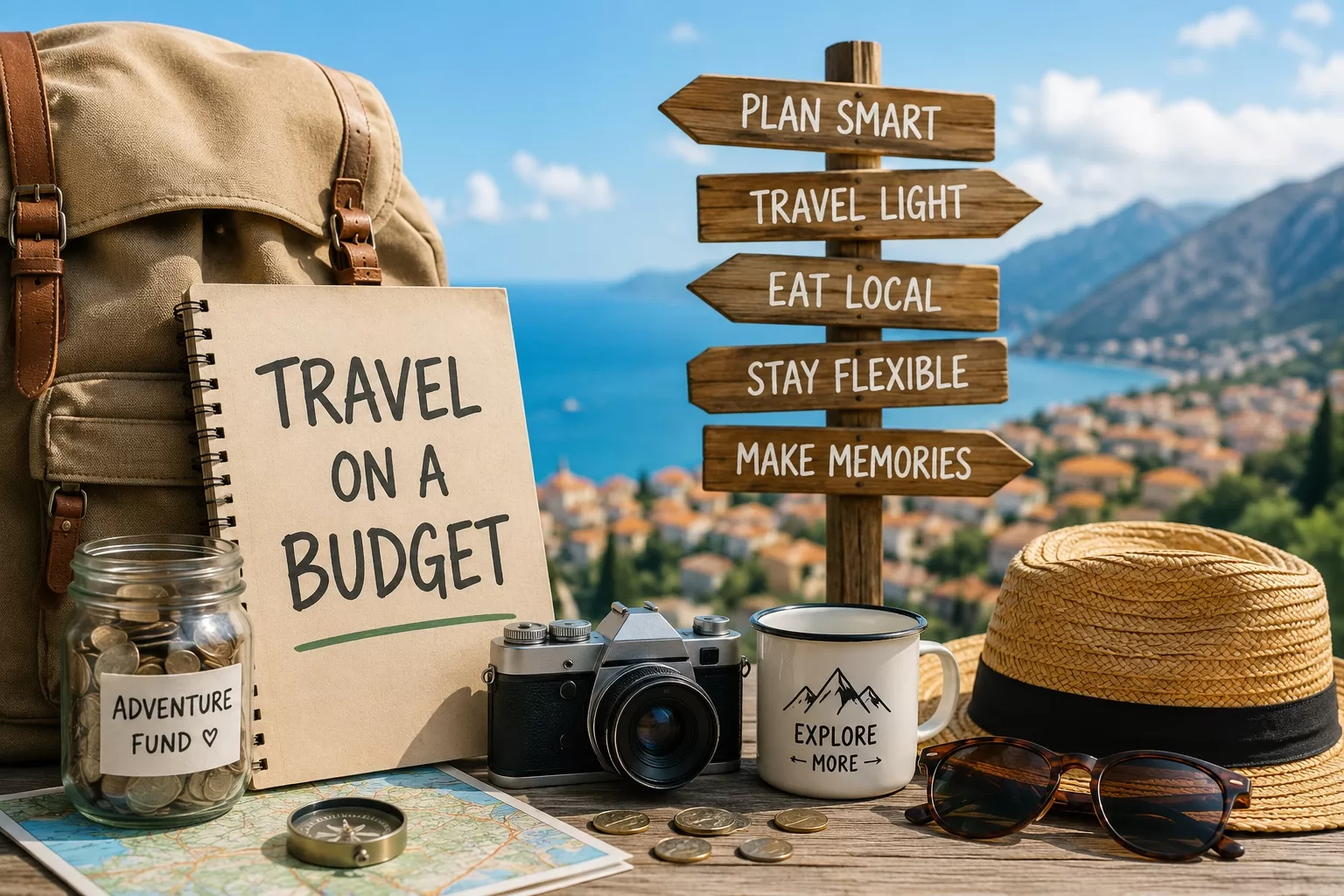
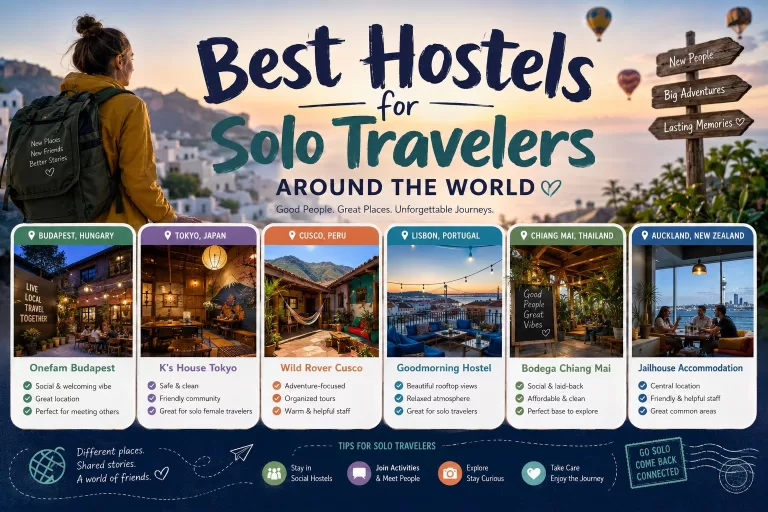
For travelers prioritizing budget alongside safety, solo travel on a budget: tips for traveling alone cheaply covers how to keep costs down without compromising on safer accommodation and transport choices, and best hostels for solo travelers around the world lists specific properties known for being both social and secure.
Frequently Asked Questions
What's generally considered the safest country for solo female travel?
Iceland is consistently ranked at or near the top of global safety indexes and is widely regarded as one of the most comfortable destinations for solo female travelers, both in terms of low crime and general ease of independent travel.
Are Southeast Asian destinations safe for solo female travelers?
Generally yes, and they're extremely popular for solo female travel, but conditions vary more by specific region and city than in top-ranked destinations, so a bit more research and situational awareness is worth building into the trip.
Should first-time solo female travelers start with a top-ranked destination?
It's a reasonable approach. Starting somewhere with strong infrastructure and low language barriers, like Japan, Portugal, or New Zealand, makes it easier to build confidence before attempting a more logistically complex destination alone.
Choosing Based on What the Trip Actually Needs
Safety rankings are a useful starting filter, but the right destination still depends on what the trip is actually for — nature and road trips point toward Iceland or New Zealand, culture and easy navigation point toward Japan or Portugal, and budget-conscious social travel points toward Portugal or parts of Latin America. The destinations above all clear a high bar for safety; the differentiation from there comes down to matching the place to the trip.
Comments 0